

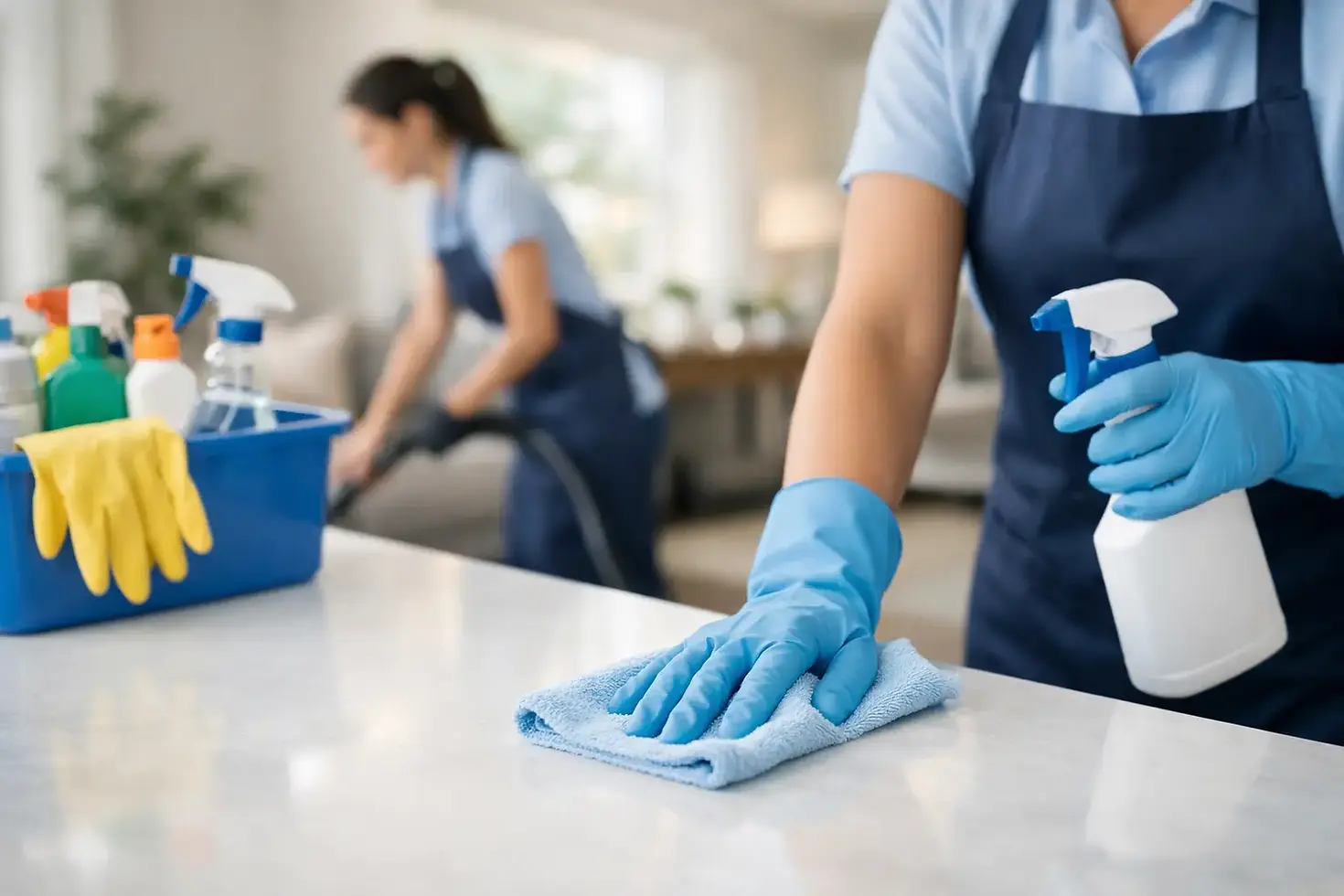
How to Clean Houses the Right Way

A house rarely feels messy all at once. It usually happens in layers - fingerprints on the fridge, dust on the baseboards, soap film in the shower, crumbs under the table. If you are figuring out how to clean houses more efficiently, the goal is not just to make everything look better for a day. It is to build a method that keeps your home consistently comfortable, healthy, and easier to maintain.
The biggest mistake people make is cleaning in the order they notice things instead of following a system. That approach wastes time and often means cleaning the same area twice. A better method is to move through the house with intention, use the right products for each surface, and focus first on the spaces that affect daily life the most.
How to clean houses without wasting time
Professional cleaners do not usually start by scrubbing the first thing they see. They start by creating flow. That means picking up obvious clutter first, then cleaning from high to low, dry to wet, and least dirty to most dirty. Dust falls downward, and dirty water spreads. When you work with that in mind, the entire process becomes faster and the finish is noticeably better.
Before you begin, gather what you need so you are not walking back and forth for supplies. A vacuum, microfiber cloths, a quality all-purpose cleaner, glass cleaner, bathroom cleaner, disinfectant for high-touch areas, a mop, and trash bags will handle most homes. If you have wood, stone, or specialty finishes, use products made for those materials. Using the wrong cleaner can leave dull spots, streaking, or damage that is expensive to fix.
It also helps to decide whether you are doing a maintenance clean or a deeper reset. A weekly maintenance clean focuses on surfaces, floors, bathrooms, and kitchen condition. A deep clean goes further into baseboards, vents, behind furniture, inside appliances, and buildup in corners and grout lines. Both matter, but they serve different purposes.
Start with clutter, then dust and surfaces
Clutter slows everything down. Pick up laundry, toys, dishes, mail, and anything else that does not belong in the room before you start wiping. This is not organizing the entire house. It is simply clearing the surfaces so you can actually clean them.
Once the room is picked up, start high. Ceiling fan blades, shelves, picture frames, window ledges, and the tops of furniture should be dusted first. Microfiber works well because it traps dust instead of pushing it around. If you begin with counters or floors, you will only need to clean them again after dust falls.
After dusting, wipe surfaces with the appropriate cleaner. On living room furniture, that might mean side tables, coffee tables, TV stands, and light switches. In bedrooms, focus on dressers, nightstands, bed frames, and door handles. Small details make a real difference. Smudges on mirrors, dust on lamps, and fingerprints around switches are often what make a house feel less clean than it really is.
The kitchen needs a different standard
If there is one room where technique matters most, it is the kitchen. This space collects grease, food residue, and bacteria faster than almost any other part of the house. A quick wipe can improve appearance, but a proper clean needs more attention.
Start with dishes and sink condition. Empty the dishwasher or wash what is in the sink so your workspace is clear. Then wipe down counters, backsplash, cabinet fronts, and appliance exteriors. Pay close attention to handles, especially on the refrigerator, microwave, and oven. Those are some of the most touched surfaces in the home.
For the stovetop, let the product sit long enough to loosen grease before scrubbing. Rushing this step often means working harder than necessary. Crumbs should be removed from around small appliances and from the edges of counters where debris tends to collect. Finish by disinfecting high-touch spots and cleaning the floor last.
A kitchen can look clean from the center of the room while still holding buildup along edges, under the toaster, or around the trash area. That is why consistency matters. A little regular attention prevents the kind of grime that takes serious effort to remove later.
Bathrooms require both cleaning and sanitizing
Bathrooms are where many homeowners spend the most time for the least satisfying result. That usually happens because products are wiped off too quickly or tasks are done out of order.
Begin by applying toilet bowl cleaner, shower cleaner, and sink cleaner so they have time to work. While those products sit, wipe mirrors, shelves, towel bars, and counters. Then return to scrub the tub, shower walls, faucet fixtures, sink basin, and toilet. Always save the toilet for near the end so you are not spreading bacteria across other surfaces.
Ventilation matters here. If a bathroom stays damp, mildew and odor return faster. Open a window or run the fan during and after cleaning when possible. It is also worth drying chrome and glass after cleaning if you want a polished finish instead of water spots.
A bathroom that is truly clean should feel fresh, not just smell like cleaner. That comes from removing residue, hair, soap film, and buildup in corners, around the base of the toilet, and along floor edges.
Floors should always come last
Vacuuming or mopping too early is one of the easiest ways to double your work. Floors collect everything that falls during the rest of the cleaning process, so save them for the end.
Vacuum carpets slowly enough to lift dirt from the fibers, especially in high-traffic areas. For hard floors, vacuum or sweep first so you are not pushing dust and crumbs around with a mop. Then mop with the right solution for the surface. Too much water can damage certain flooring types, especially hardwood and some laminate.
Corners, under furniture edges, and areas near entryways usually need extra attention. These spots tend to hold more grit than the center of the room. If you have pets, upholstery and rugs may also need more frequent vacuuming than the rest of the home.
How to clean houses room by room and stay consistent
The best system is the one you can actually keep up with. For many households, that means dividing work by frequency instead of trying to deep clean everything at once.
Daily cleaning might include dishes, wiping kitchen counters, a quick bathroom reset, and tidying common areas. Weekly cleaning often covers dusting, vacuuming, mopping, full bathroom cleaning, and changing bed linens. Monthly or seasonal cleaning can handle tasks like baseboards, blinds, inside the microwave, behind furniture, and deeper appliance cleaning.
This kind of rhythm works well because it keeps mess from turning into buildup. It also reduces stress before guests arrive or before the workweek starts again. For busy families and working professionals, consistency matters more than perfection.
When a DIY approach makes sense - and when it does not
Some households are easy to maintain with a good routine. Others are not. A small home with one or two adults and predictable schedules is very different from a busy family home, a property with pets, or a short-term rental that needs to be guest-ready on a deadline.
That is where trade-offs come in. Doing your own cleaning can save money, but it also costs time and energy. If your weekends are being spent catching up on bathrooms, floors, laundry, and kitchen buildup, the savings may not feel worthwhile. The same is true for rental owners who need dependable turnover cleaning between bookings. A missed detail can affect reviews, guest satisfaction, and the next reservation.
For homeowners who want reliable results without having to manage every step themselves, working with a professional service often makes practical sense. A dependable team brings a system, consistency, and the kind of attention to detail that is hard to maintain when life gets busy. That is one reason many Eastside homeowners choose recurring support from local providers such as R&S Maids Service.
The difference between clean-looking and truly clean
A house does not need to be perfect to feel good, but it does need to be cared for consistently. The difference shows up in the small things - corners that are not ignored, high-touch surfaces that are actually sanitized, floors that feel clean under bare feet, and bathrooms that stay fresh after the door closes.
If you want better results, focus less on speed and more on order. Clear first, dust high to low, treat kitchens and bathrooms with extra care, and finish with floors. When that rhythm becomes routine, cleaning stops feeling endless and starts feeling manageable.
A clean home should take pressure off your day, not add to it.


Comments